

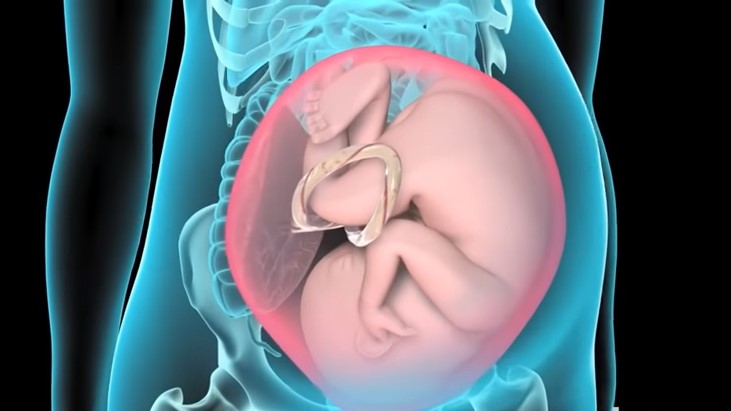
2026 editorial refresh: Medical virtual reality is being studied for pain distraction, anxiety reduction, rehabilitation, and clinical training. Benefits depend on the patient, setting, and how the technology is supervised.
Medical note: This article is educational and should not replace a diagnosis, prescription, or individualized care plan from a licensed clinician.
Virtual reality plays an important role, and it provides opportunities to various people in everything that includes swimming in the ocean to flying through outer space with ease. These technology-fun options are innumerable.
But how does it fit into childbirth?
Virtual reality eases the pain of women while delivering a baby. Every childbirth experience is different as the pain threshold is different for different people. Virtual reality also helps the patient handle treatment that is painful and stressful such as chemotherapy and dental treatments.
First Patient who experience virtual reality:
Erin Martucci is the first woman who experienced virtual reality during childbirth. She doesn’t want to take any drugs for the labor pain.
Virtual reality apps:
There are virtual reality apps also available for the patients. Virtual reality apps help the patient get through the anxiety of staying in the hospital and dealing with the pain.
Dr. Wong is studying the use of virtual reality to help patients come through contractions during labor. Women are asked to put on virtual reality goggles for 30 minutes, and then they could choose to watch whichever virtual reality scenario they like.
According to Dr. Wong, nowadays, virtual reality, digital technology, and artificial intelligence are everywhere.
It makes sense when it aids in medical and healthcare. Virtual reality makes imaginary time more real. It’s like an association or guided meditation on steroids. Virtual reality expands and amplifies the mind-body connection. The mind can be mighty and effective in healing and how the pain is sensed, detected, and comprehended.
Does it work?
Virtual reality is found very effective in reducing acute as well as chronic pain. Dr. Wong desires and expects to see women using goggles to be satisfied and pleased with this experience. In this way, virtual reality is better for them as it helps them manage and handle the labor pain.
Why is the patient concerned?
Dr. Wong said this might be especially appropriate and applicable to women who want a physiologic or “natural” birth (for example, they hope to avoid narcotics or epidurals). If VR provides a beneficial and functional diversion for women in labor, it could provide an alternative managing system that enables women to have birth experience in the most natural way possible.
Where medical VR may be most useful
Virtual reality may help when distraction, guided relaxation, exposure practice, or repeated training is useful. Examples include burn dressing changes, needle procedures, labor support, rehabilitation exercises, phobia therapy, surgical simulation, and patient education. It should be introduced carefully because dizziness, nausea, seizures, severe anxiety, or vision problems can make VR unsuitable for some people.
Questions patients can ask
If virtual reality is offered during care, ask what symptom it is meant to help, who will supervise it, how long each session lasts, and what should happen if nausea, dizziness, anxiety, or discomfort starts. Technology should make care clearer and safer, not distract from warning signs or replace needed treatment.
Evidence links for this guide
HealthArena keeps medical and wellness claims tied to reputable references. These source links support the main claims and safety context in this article.
